


Navigating the choppy waters of high conflict co-parenting can feel like trying to steer a ship through a storm without a compass. It’s a challenge that many face, and let’s be honest, it can be downright exhausting. When two parents constantly clash over decisions, schedules, and the best way to raise their kids, it can turn into a comedy of errors—minus the laughs.
But fear not! High conflict co-parenting doesn’t have to be a never-ending battle. With the right strategies and a sprinkle of humor, parents can turn the chaos into a manageable routine. After all, if they can survive the sleepless nights and toddler tantrums, they can certainly tackle the art of co-parenting. This article dives into practical tips and insights to help parents navigate their way through the stormy seas with a little more ease and a lot less drama.
Understanding High Conflict Co Parenting
High conflict co-parenting presents unique challenges that can deeply affect all involved. Navigating disagreements about parenting decisions requires specific strategies to foster stability for children.
Definition of High Conflict Co Parenting
High conflict co-parenting refers to situations where parents consistently engage in disputes over decisions affecting their children. These conflicts often arise from differing parenting styles, unresolved emotional issues, or high levels of anger. Persistent battles disrupt the co-parenting process, leading to stress for parents and children alike. Clear boundaries and constructive communication prove essential for managing such dynamics. Effective co-parenting strategies can transform interactions, improving the overall well-being of the child.
Characteristics of High Conflict Co Parents
High conflict co-parents exhibit several distinct characteristics that complicate co-parenting. Frequent arguments and poor communication patterns mark their interactions. Emotional volatility leads to impulsive decisions that can negatively impact the children. Resistant behaviors such as refusal to compromise often escalate tensions. They tend to focus on winning disagreements instead of prioritizing the children’s needs. Such parents may also manipulate situations to provoke reactions, creating a cycle of conflict. Recognizing these traits enables better strategies for managing high conflict scenarios effectively.
Challenges in High Conflict Co Parenting
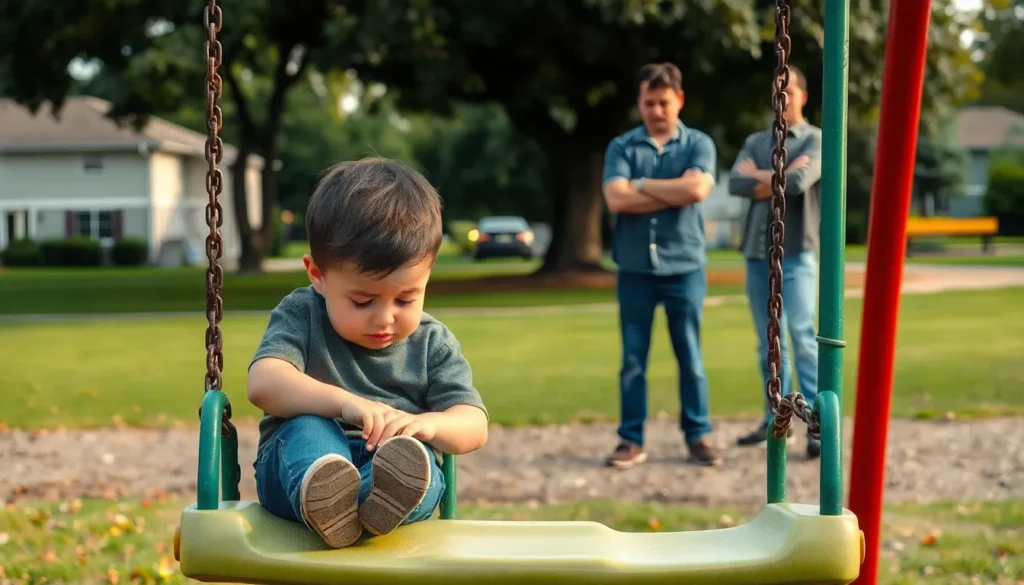
High conflict co-parenting presents numerous challenges that can significantly affect both parents and children. Identifying these specific issues helps manage the situation more effectively.
Emotional Impact on Children
Children experience various emotional impacts when parents engage in high conflict co-parenting. Anxiety often surfaces as kids sense the tension between their parents. Behavioral issues may arise, as children struggle to cope with the stress of constant disputes. Emotional volatility can lead to feelings of sadness or anger, impacting their overall well-being. Some children might become withdrawn, avoiding social interactions. Research indicates that exposure to parental conflict can hinder a child’s development, including academic performance and interpersonal skills.
Communication Barriers Between Parents
Communication barriers between parents frequently exacerbate high conflict co-parenting situations. Misunderstandings become common due to poor communication skills. Clarity often gets lost, leading to confusion over schedules and decisions. Trust diminishes, prompting further arguments and frustration. Parents focusing on their grievances instead of the welfare of the child creates a detrimental cycle. Implementing structured communication methods can alleviate these barriers, helping parents make informed decisions while prioritizing the child’s needs.
Strategies for Managing High Conflict Co Parenting
Managing high conflict co-parenting requires effective strategies to ease tensions and focus on children’s needs. Implementing clear techniques can significantly improve interactions between parents.
Effective Communication Techniques
Utilizing structured communication methods enhances clarity. Regular check-ins between parents promote transparency and understanding. Digital platforms like shared calendars can streamline scheduling and reduce misunderstandings. Setting specific times for discussions about child-related issues prevents emotional flare-ups. Choosing neutral language when discussing concerns minimizes potential conflicts. Staying focused on facts rather than emotions helps maintain a productive dialogue. Encouragement for open conversations regarding feelings fosters a supportive atmosphere for children. Consistently practicing these techniques can diminish the potential for conflict.
Setting Boundaries and Guidelines
Establishing clear boundaries is vital for co-parenting success. Explicit guidelines for communication and decision-making processes create a respectful environment. Parents can outline acceptable methods for disagreements and establish consequences for violating these boundaries. Consistently reinforcing these guidelines helps maintain stability for children. Prioritization of children’s schedules can ensure their emotional needs are met. Setting geographic boundaries for parenting responsibilities prevents overlap and minimizes stress. Focusing on these parameters aids parents in collaborating effectively, ultimately supporting the children’s well-being.
Resources and Support for High Conflict Co Parents
High conflict co-parenting presents unique challenges that require specialized resources and support systems. Utilizing these resources can help parents navigate conflicts and prioritize their children’s well-being.
Professional Mediation Services
Mediation services provide a neutral platform for parents to address disputes. Trained mediators facilitate discussions that focus on cooperation and solutions. Parents can benefit from structured environments where they communicate effectively. They gain skills in conflict resolution and improve their communication techniques. Research indicates that mediated agreements tend to be more sustainable, leading to less ongoing conflict. Finding a local mediation service can create opportunities for positive interaction.
Support Groups and Counseling Options
Support groups offer a space for high conflict co-parents to connect with others facing similar struggles. Sharing experiences can foster understanding and provide emotional relief. Many organizations provide specific counseling programs tailored for co-parents. These programs often help parents develop effective communication skills and coping strategies. Group therapy sessions lead to stronger support networks. Programs may also offer resources on child development, ensuring that parental actions stay aligned with children’s best interests. Accessing these resources can significantly improve parenting outcomes during challenging times.
High conflict co-parenting presents significant challenges that can affect both parents and children. By adopting effective strategies and maintaining a focus on communication, parents can navigate these turbulent waters more smoothly. Establishing clear boundaries and utilizing available resources can transform the co-parenting experience. With commitment and the right approach, it’s possible to create a healthier environment for children, allowing them to thrive despite the difficulties. Prioritizing the child’s well-being remains paramount, and with perseverance, parents can turn conflict into cooperation.


